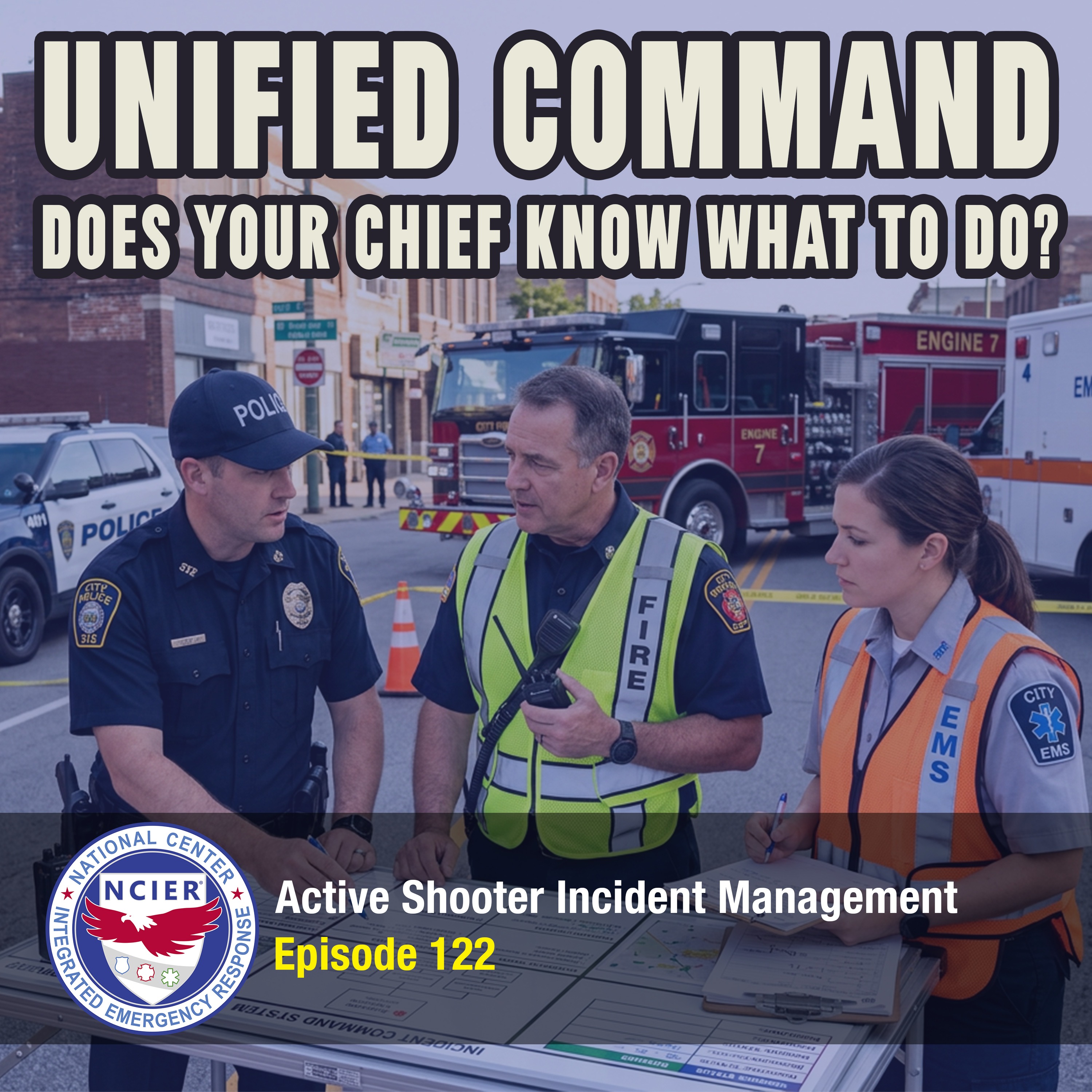
This video takes you inside specialized active shooter incident management training built specifically for airports. Using a high‑fidelity computer simulation system with aircraft that taxi, park at gates, land, and depart, responders work full scenarios that include terminal operations, thousands of passengers, and complex inbound/outbound aircraft decisions. Participants experience realistic stress, practice building a unified command structure, coordinate law enforcement and medical branches, and even rehearse using the media effectively through embedded PIO practice. Over multiple scenarios, students make mistakes in a safe environment, get coaching, and run the play again until they understand their role and can respond more efficiently and confidently in a real airport incident.
Transcript
We've been doing the active shooter incident management training for quite some time. Our simulation system has long given us the ability to simulate active shooter events at all different kinds of venues. So we've got a school, a courthouse, an outdoor mall, shopping centers, airports. We identified that there were some gaps for the airports. They have some specific needs, some specific concerns. Airports are very complicated. What we recognized in working with the airports is that airport component also required the need for aircraft. Aircraft that can be taxied to gates, moved from gates, that can take off, that can land. The active shooter situation alone is completely overwhelming. The active shooter situation in an airport is absolutely chaotic. In addition to the scene, you also have potentially thousands of passengers. You have to take care of the inbounds, you have to take care of the outbounds. If you have aircrafts boarding, you have to make sure passengers are secured and safe. in a safe place. If you have an aircraft coming in, you don't want to interject an inbound into that chaos. So you'll try to either hold the aircraft out or send it to a place that's safe for the passengers. Shelter in place. Still working on the situation. The way that we interact, the realism with this scenario and the computer-based training has really offered an opportunity to create some realism, some confusion, which really helps us learn and practice our skills and hone them. You can actually feel yourself there in the situation, and you can get the feeling of how you're going to react. We almost feel like we're feet on the ground. driving the ambulance, it puts you under that stress that you don't typically feel or experience each and every day. So when you come to training such as this, it allows for these individuals to get put under that stress and that strain and to actually move into that situation and become part of that scenario. And it helps to reinforce the importance of developing a good command system where you have your medical branches, you have your law enforcement branches. and the responsibilities for each of those departments in each of those areas. What this class does is it prepares the students for the fact that they may be partnered up with or paired with somebody they don't know. In addition, what we share with them and what we encourage them to do is use the media early on. Use the media to your advantage. There's lots of information that the media can get out for you and by incorporating PIOs within the group I mean as a as a first responder you may be that guy or that gal who's called upon to be the PIO. We've prepared you for what you might need to say the information that you will need to share and then the questions that maybe you are given and how to respond to them. Before we start let me stress that all information we're about to discuss is preliminary and subject to change. The simulators are good because what we're putting in front of the students are real-life scenarios that they could potentially face. And this allows a safe, sterile place for them to work through the problems. And with the 10 scenarios, they get to do it over and over and over again. And I would even say that some of these folks that walk out of here the last day become almost masters of these scenarios. They start out, they get some confidence, they understand the process. They understand their role in the process and by the last day, the last scenario, they understand their role and what needs to be done and that makes response more efficient, more effective and better for everybody. To be able to do a trial in an area and really be critical about yourself and your skills and what you need in order to be successful has been helpful. It just makes you feel a lot better and now you feel a little bit more equipped when the situation may arise. be strategic about how you approach it. Me, if I make a mistake on the street in a real situation, I'm either a hero or a goat. You know, I don't have a chance to correct any mistake that I make in the street. I can try and be better next time, but so many things can happen. So here to be able to make a mistake and be able to go back through and fix it is something that to me is very rewarding. The depth of knowledge that the instructors have and just the real level experience that they have has just been tremendous and they're a great resource. very open to discussions and answering questions and making everybody just feel very comfortable here. There's no pressure. There's no embarrassment. So, you know, it's a positive learning environment. It's really great. It's invaluable. It helps you actually experience it, feel the pain, and get on with doing your job.